

close
Choose Your Site
Global
Social Media
Views: 0 Author: Site Editor Publish Time: 2026-07-03 Origin: Site


Inventory shrinkage remains the absolute highest variable cost for retail and event florists today. You often see busy shops losing hundreds of dollars weekly to wilted stems and moldy blooms. This massive waste usually stems from one core misunderstanding about commercial refrigeration. We must recognize the vast difference between basic food chilling and dedicated floral preservation. Storing delicate botanicals in environments meant for soda or produce guarantees accelerated decay. Investing in professional, stable cold storage directly impacts your profit margins. You extend vase life significantly while reducing dangerous botrytis mold risks. Proper environments also help you manage destructive ethylene gas accumulation effectively. This guide will show you how to specify and install these systems correctly. You will learn the critical hardware differences separating standard coolers from floral units. We will also cover why flawless execution matters during the setup phase.
Standard commercial refrigerators actively harm floral inventory by stripping humidity and creating high-velocity drafts.
Proper Flower Cold Storage requires sustained high humidity (80–95%) and precise temperature control (34°F–38°F / 1°C–3°C) with low-velocity evaporators.
Choosing between solid-door bulk storage and Glass Door Cold Storage depends on your shop’s floor plan and consumer-facing strategy.
A successful cold room installation requires careful site preparation, proper insulation sizing, and correct electrical load planning to prevent premature system failure.
Many floral designers start their businesses using standard commercial food refrigerators. They assume cold air provides enough protection for their fresh inventory. However, these basic units actively harm delicate botanical products over time.
Standard food refrigerators operate by pulling moisture directly out of the air. Engineers design them to keep produce crisp and prevent internal frost buildup. This mechanical process creates a severe humidity deficit inside the sealed cabinet. Fresh floral cuts require high ambient moisture to survive after harvest. They no longer possess a root system to draw up endless water. When you place flowers in dry coolers, petal dehydration begins almost immediately. The dry air pulls water directly from the delicate stems and leaves. You soon notice drooping heads and premature wilting across your entire inventory.
We must also examine cooler airflow dynamics closely. Standard commercial coolers use high-velocity fans to circulate air. They need to drop temperatures rapidly after employees open the heavy doors. These aggressive fans blast your delicate blooms continuously throughout the day. This harsh airflow causes severe physical damage known widely as windburn. You will see brown, crispy edges forming on soft petal exteriors. Premium roses, peonies, and hydrangeas cannot survive this aggressive environment. They need gentle, slow-moving cooling to maintain their pristine cellular integrity.
Poorly ventilated coolers present another invisible threat to your profits. Cut flowers naturally release ethylene gas as they age in buckets. Decaying foliage and dropped leaves accelerate this invisible chemical release. Improperly filtered units trap this dangerous gas inside the closed storage space. The ethylene accumulates rapidly around your fresh, unsold inventory. This constant exposure forces your new flowers to age prematurely. Sensitive varieties like carnations will experience petal curling. Delphiniums will often shatter and drop their blooms completely. You end up throwing away expensive inventory before a customer ever sees it.
You must frame this equipment decision around strict shrinkage reduction. Start by calculating your average weekly financial loss from damaged inventory. For many shops, this easily equals hundreds of dollars per week. Extending your average shelf-life by just three to five days changes your financial model completely. The saved inventory quickly offsets the initial capital expenditure of upgrading your hardware. A proper floral cooler often pays for itself within a single busy holiday season.
Florists must choose between customer-facing displays and private bulk coolers. Your specific floor plan and sales strategy dictate this important physical decision. Each style serves a distinct operational purpose for your retail business.
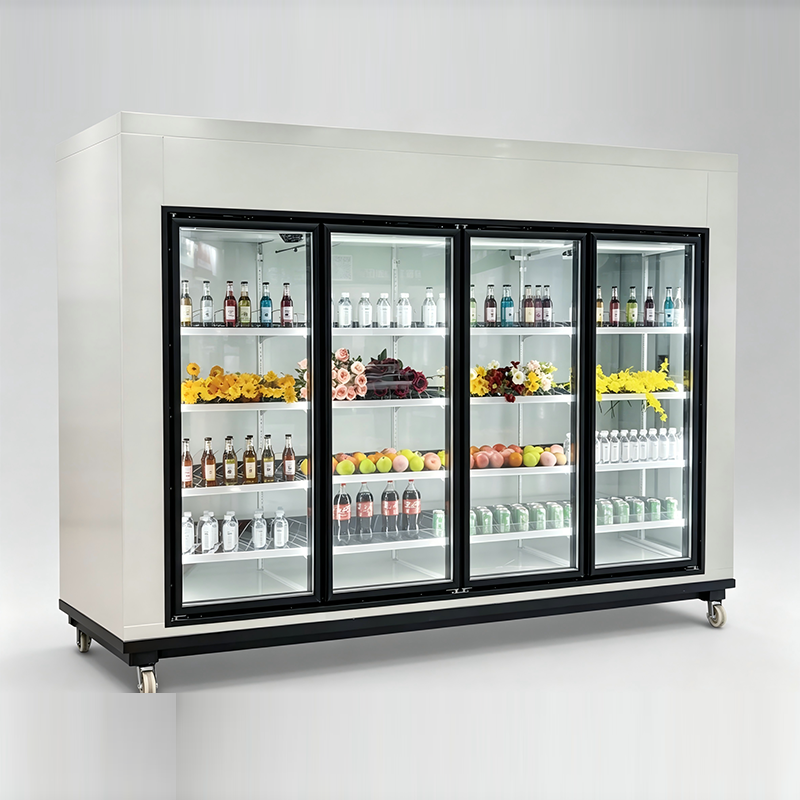
Retailers use front-of-house units primarily for active visual merchandising. These coolers encourage spontaneous impulse buys from everyday walk-in customers. You typically display premium arrangements and high-margin bouquets inside these bright units. When evaluating Glass Door Cold Storage, you must look for specific technical features.
Anti-condensate heated glass is absolutely essential for these display cases. It prevents the doors from fogging up in humid retail environments. Customers must see your colorful products clearly at all times. You also need specialized LED spectrum lighting installed inside the cabinet. Standard fluorescent lighting can emit harmful UV rays onto your flowers. Continuous UV exposure degrades delicate petal colors over several days. Proper LED fixtures enhance bloom vibrance safely. Finally, self-closing hinges maintain internal temperature stability effortlessly. Customers frequently forget to shut cooler doors completely after grabbing an arrangement. Strong hinges prevent expensive temperature spikes during high foot traffic events.
Solid panel walk-in coolers handle your heavy behind-the-scenes preparation work. You use them for processing raw inventory immediately upon delivery. Event staging and bulk bucket storage happen exclusively in these large rooms. Here, you must carefully evaluate the R-value of the insulated panels. Polyurethane panels offer significantly better thermal resistance than cheaper polystyrene options.
You also need heavily reinforced flooring inside these bulk storage rooms. Employees will move heavy rolling carts full of water buckets constantly. These heavy, concentrated loads will destroy standard cooler floors very quickly. Your primary goal here is maximizing your total cubic footage per dollar spent. You want maximum storage capacity without paying for aesthetic glass display features.
Feature Focus | Display Units (Front-of-House) | Bulk Coolers (Back-of-House) |
|---|---|---|
Primary Use Case | Visual merchandising, impulse buys | Raw inventory, event staging |
Key Components | Heated glass, LED lighting, self-closing hinges | High R-value panels, reinforced floors |
Cost Priority | Aesthetic appeal and customer access | Maximum cubic footage per dollar |
Traffic Level | High frequency of brief door openings | Low frequency of prolonged door openings |
Hardware selection dictates the long-term success of your floral preservation strategy. You must understand these technical specifications thoroughly before signing any purchase order.
This single component remains non-negotiable for professional floral rooms. Standard evaporator coils blast air aggressively across the entire enclosed space. Low-velocity units operate much differently to protect your investment. They ensure cold air gently falls downward over your delicate flowers. This gentle, gravity-fed cascade prevents the physical windburn we discussed earlier. It protects delicate cellular structures from mechanical damage caused by wind shear. Always verify the fan speed specifications before accepting an equipment quote.
Your refrigeration engineer must calculate coil sizing perfectly for the room. The system requires a design featuring a very low Temperature Difference (TD). A low TD setup maintains higher relative humidity naturally within the space. It keeps essential moisture suspended in the air around the flowers. High TD systems condense that moisture rapidly and drain it away immediately. By specifying a low TD, you rarely need expensive secondary humidification equipment. The hardware maintains the necessary 80 to 95 percent humidity automatically.
Mechanical hardware will eventually fail under continuous commercial use. You must implement strict redundancy and monitoring to protect your financial investment. Digital temperature alarms are highly critical for modern floral shops. Humidity sensors provide real-time climate data directly to your smartphone. Remote monitoring prevents catastrophic inventory losses over long holiday weekends. You receive instant SMS alerts if the room gets too warm. This early warning buys you precious time to save your valuable Flower Cold Storage inventory before it perishes.
Careful logistical planning is mandatory before bringing any equipment on-site. The physical setup process carries significant financial and structural risks.
You must evaluate your site readiness meticulously before the technicians arrive. Check your ceiling height clearances before ordering tall display units. Measure the ambient room temperatures during peak summer afternoons. Retail spaces with large south-facing windows get incredibly hot. You must also verify structural floor weight limits with a contractor. Water-filled buckets add massive, concentrated weight to your floor joists. An unlevel floor will also cause the insulated panels to misalign during assembly.
The physical Cold Room Installation involves strict engineering protocols. Consider these crucial elements during the construction phase:
Vapor Barriers and Insulation: Contractors must seal the insulated panels perfectly using specialized butyl tape. Improper sealing allows warm ambient air to penetrate the cooler walls. This leads to hidden condensation forming inside the wall structure. Toxic black mold will eventually grow and destroy the insulated panels.
Drainage Routing: Evaporator coils generate liquid condensation naturally during normal operation. You must route these condensate lines safely to nearby floor drains. Installers must pitch the pipes correctly to prevent standing water. The piping must comply strictly with local health and municipal building codes.
Electrical Requirements: Refrigeration systems draw massive amounts of power during compressor startup. Ensure dedicated electrical circuits exist for both compressors and evaporators. Shared electrical circuits often lead to tripped breakers during peak summer loads. A tripped breaker will shut down your entire preservation system silently.
You must decide between remote and self-contained compressor units carefully. Self-contained units mount directly on top of the cooler box. They are cheaper to install initially but dump exhaust heat into your retail space. This forces your building air conditioning to work much harder. They also generate significant background noise for your retail staff. Remote condensers solve these problems completely. Installers place them outside on your roof or an exterior wall. However, this configuration requires building access approvals and longer copper line runs.
Who builds your room matters just as much as what they build. You must vet potential contractors thoroughly before signing any service contracts.
Always prioritize industry-specific refrigeration expertise when selecting a vendor. Follow these steps when interviewing potential contractors:
Avoid hiring general residential HVAC technicians for floral projects. They usually understand basic air conditioning, not high-humidity preservation.
Seek out commercial refrigeration specialists specifically.
Ask them directly about floral humidity requirements during the initial consultation. They should immediately mention low-velocity coils and low TD calculations.
Check their portfolio for previous florist or agricultural installations.
Generalists often install high-velocity fans by default out of habit. They ruin your inventory because they apply restaurant standards to sensitive botanicals.
You must evaluate the warranty terms and Service Level Agreements (SLA) closely. Look at the specific parts and labor warranties separately. Equipment manufacturers cover the physical parts, but the installer covers the labor. Guaranteed response times remain absolutely critical for your business continuity. You need immediate technical help during emergency weekend breakdowns. A next-day response might cost you thousands in lost holiday flowers. Ensure your Cold room installation partner guarantees same-day emergency dispatch in writing before proceeding.
Upgrading to a dedicated floral cold room represents a major infrastructure investment. It is not just another routine business purchase for your shop. The long-term success of this preservation system relies on two equal factors. First, you must select the right low-velocity, high-humidity equipment. Second, you must execute a flawless installation process from start to finish. Neglecting either element compromises your entire inventory and profit margin.
Take action today to protect your fragile floral products. We encourage all florists to conduct a thorough site audit soon. Reach out to certified refrigeration engineers immediately to discuss your space. Request detailed load calculations based on your specific shop layout. Proper planning now guarantees beautiful, long-lasting blooms for your future customers.
A: Most fresh-cut flowers thrive between 34°F and 38°F (1°C to 3°C) with a relative humidity of 80% to 95%. Tropical flowers are the exception and require warmer storage (55°F - 60°F).
A: No. Food and beverage refrigerators are designed to maintain low humidity and use high-speed fans to drop temperatures quickly. This combination severely dehydrates fresh floral cuts and causes windburn.
A: Assuming site preparation (electrical and plumbing) is complete, assembling the insulated panels and installing a standard split refrigeration system usually takes 1 to 3 days, followed by system testing and temperature calibration.
A: While glass has a lower R-value than solid insulated panels, modern glass door cold storage utilizes double or triple-pane argon-filled glass. The merchandising benefits and reduced need to open the door for inventory checks typically offset the slight difference in energy consumption.


